Sexual health · 6 min read
Is It Safe to Swallow Vaginal Fluid? What It Contains and When to Avoid It
Vaginal fluid is mostly water, mucus and healthy bacteria, so swallowing it is generally safe. Learn the real STI risk and the warning signs to watch for.

The Intimacy Class Editorial
During oral sex on a vulva, swallowing some vaginal fluid is completely normal. Many people still wonder whether it's safe. The short answer: yes, swallowing vaginal fluid is generally safe. It is made of water, natural lubrication and healthy bacteria. The real thing to be careful about isn't the fluid itself but STIs, and those can pass during oral sex whether you swallow or not.
What is vaginal fluid made of?
The vagina produces fluid all the time to keep itself clean, moist and protected. During arousal, it produces extra lubrication. This fluid contains:
- Water: the main ingredient.
- Mucus from the cervix: its texture changes through the menstrual cycle.
- Lactobacilli: friendly bacteria that produce lactic acid and keep the vagina slightly acidic (a pH of about 3.8 to 4.5), which protects it from infections.
- Electrolytes and proteins: in small amounts.
- Old cells from the vaginal walls, which are naturally shed.
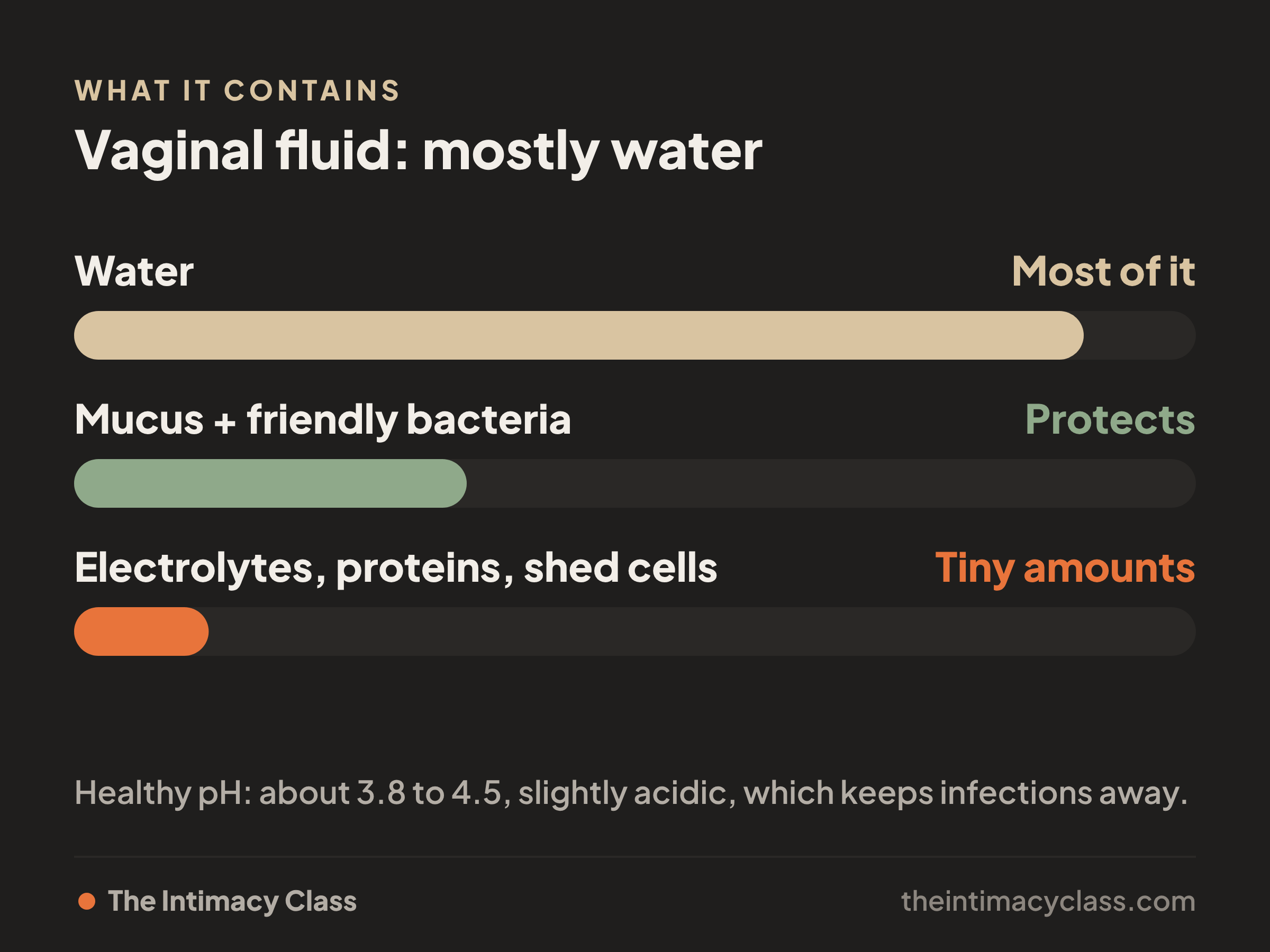
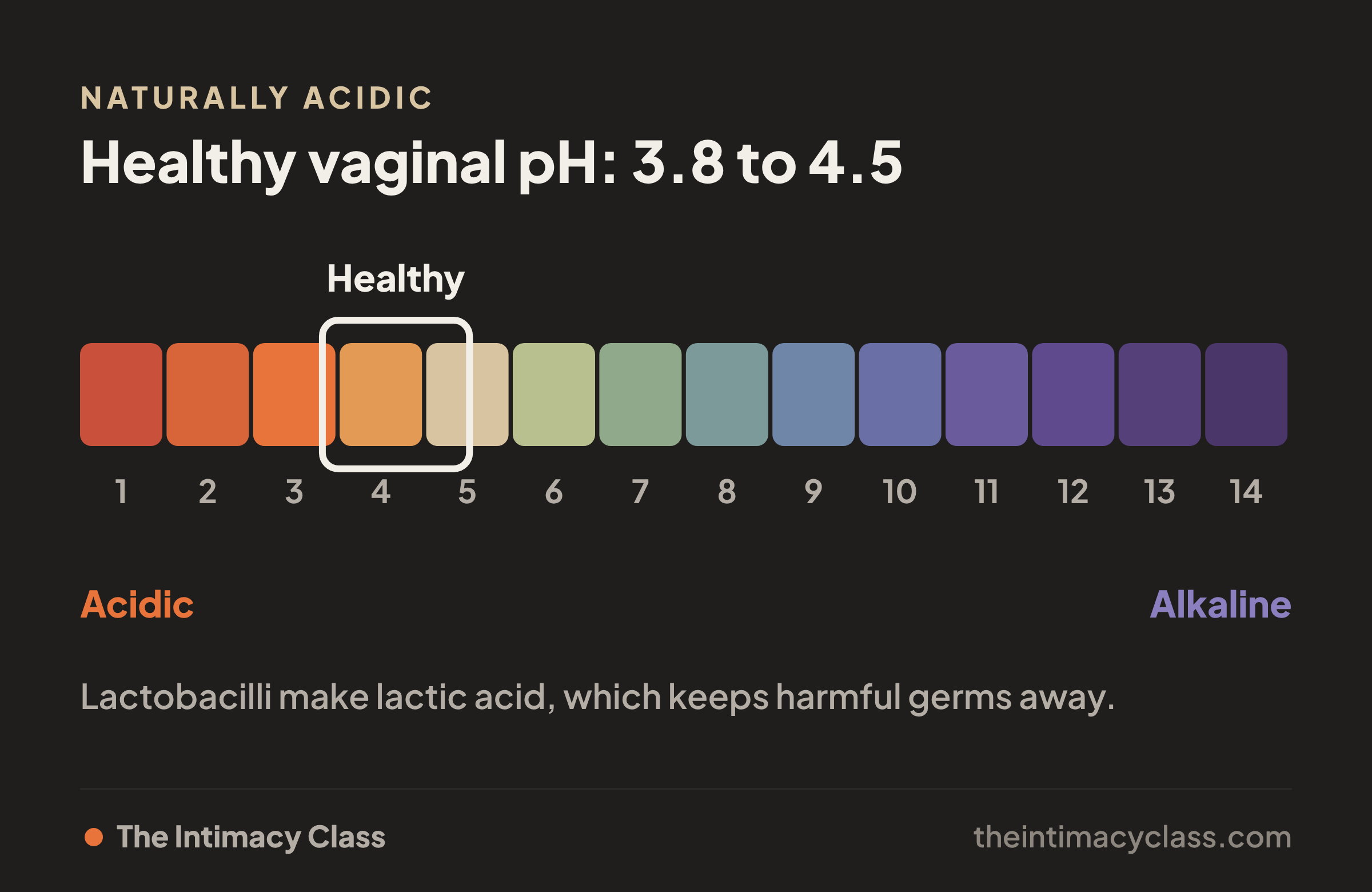
None of these is harmful to swallow. The stomach digests it like any other fluid.
Taste and smell are naturally different
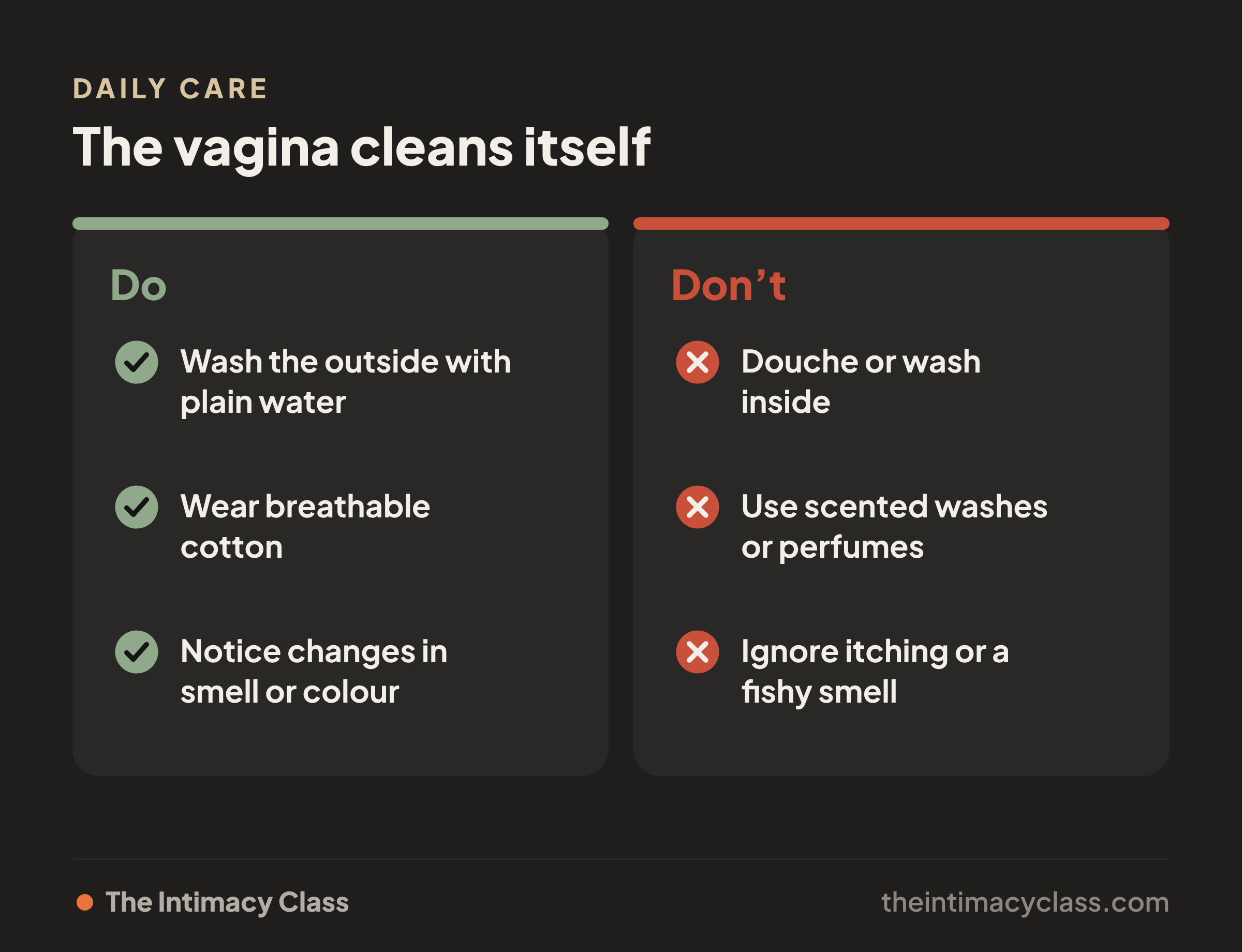
Healthy vaginal fluid can taste slightly salty, sour or metallic, and its smell changes during the cycle, after exercise or after sex. A mild, musky smell is normal. Diet may affect it a little, but there is no need for perfumes, scented washes or douching, which upset the natural balance and can actually cause infections.
The real risk: STIs
Infections can spread during oral sex through contact with fluids, skin and sores, whether you swallow or not. These include gonorrhoea, chlamydia, herpes, syphilis and HPV. If you're not both tested, use a dental dam (a thin latex sheet placed over the vulva) for protection.
Warning signs to watch for
Pause oral sex and see a doctor if you notice any of these:
- A strong fishy smell, especially after sex, with thin grey or white discharge: often a sign of bacterial vaginosis (BV).
- Green or yellow, frothy discharge with itching: can be trichomoniasis, an STI.
- Thick white discharge like cottage cheese, with itching or burning: usually a yeast infection.
- Sores, blisters, warts or unusual bumps on the vulva.
- Pain, burning when peeing, or bleeding after sex.
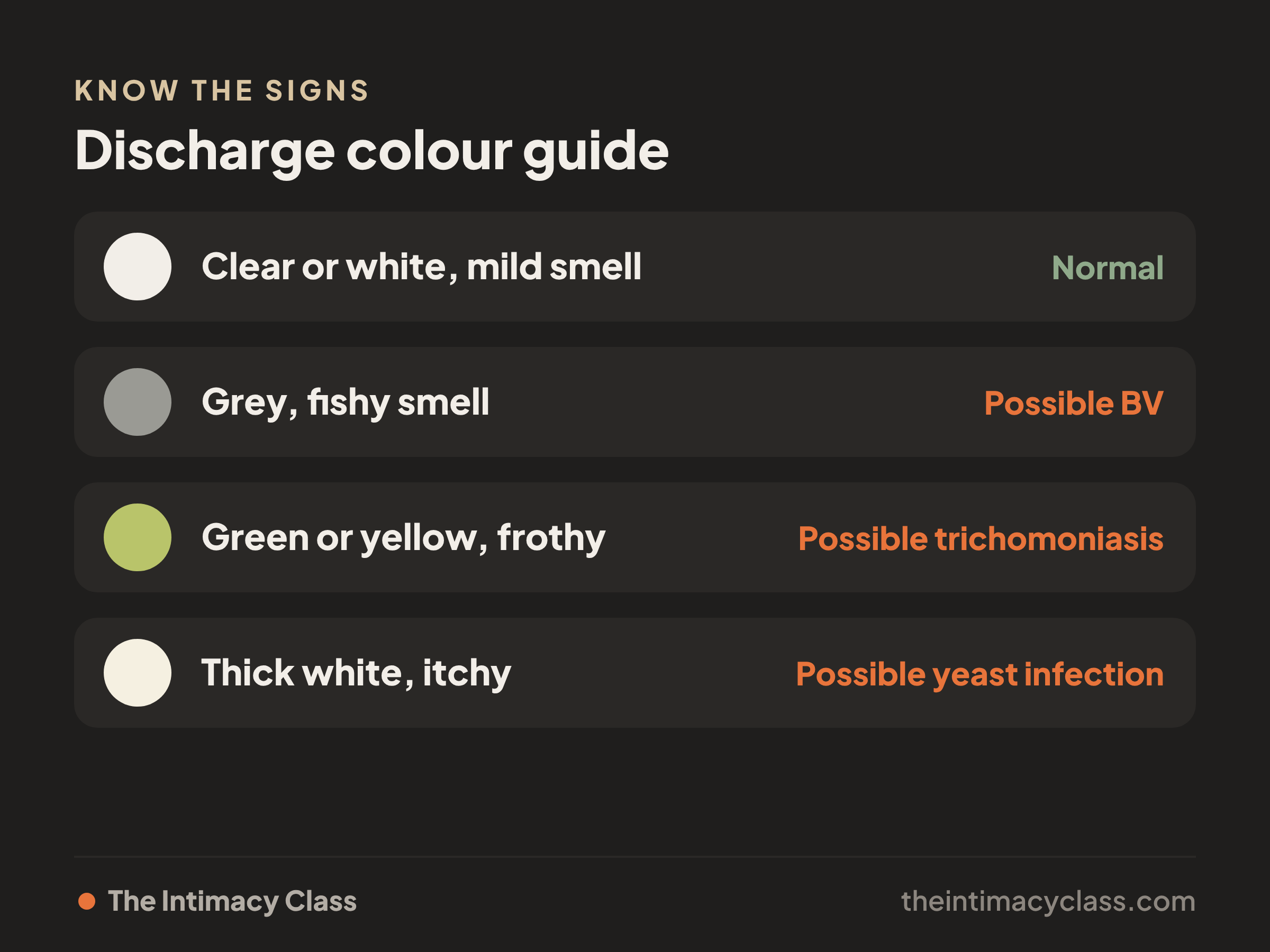
These are common and treatable, but they need the right diagnosis. If you're unsure, you can talk privately with a verified gynaecologist on The Intimacy Class before deciding on the next step.
Simple ways to stay safe
- Get STI tests together, including a throat swab if you have oral sex.
- Use a dental dam with new or untested partners.
- Avoid oral sex if either partner has mouth ulcers, cold sores, cuts or bleeding gums.
- Don't brush or floss right before oral sex; rinse with water instead.
- Wash the outer genitals with plain water. The vagina cleans itself.
FAQs
Can swallowing vaginal fluid make you sick? Not in healthy people. Illness risk comes from infections, which can pass during oral sex regardless of swallowing.
Is it normal for vaginal fluid to change? Yes. It becomes clearer and stretchier around ovulation and thicker at other times. Sudden changes in colour, smell or texture are worth checking.
Does diet change the taste? Diet may have a small effect, but there's little scientific evidence that any food reliably changes it.
Key takeaways
- Vaginal fluid is mostly water, mucus and healthy bacteria, and is safe to swallow.
- The real risk is STIs, which can pass during oral sex whether you swallow or not.
- A strong fishy smell, green or grey discharge or itching means pause and see a doctor.
- For questions about your own body, book a session with a verified gynaecologist.
This article is for education only and isn't a substitute for medical advice.